
Why testimonials and screenshots are not evidence
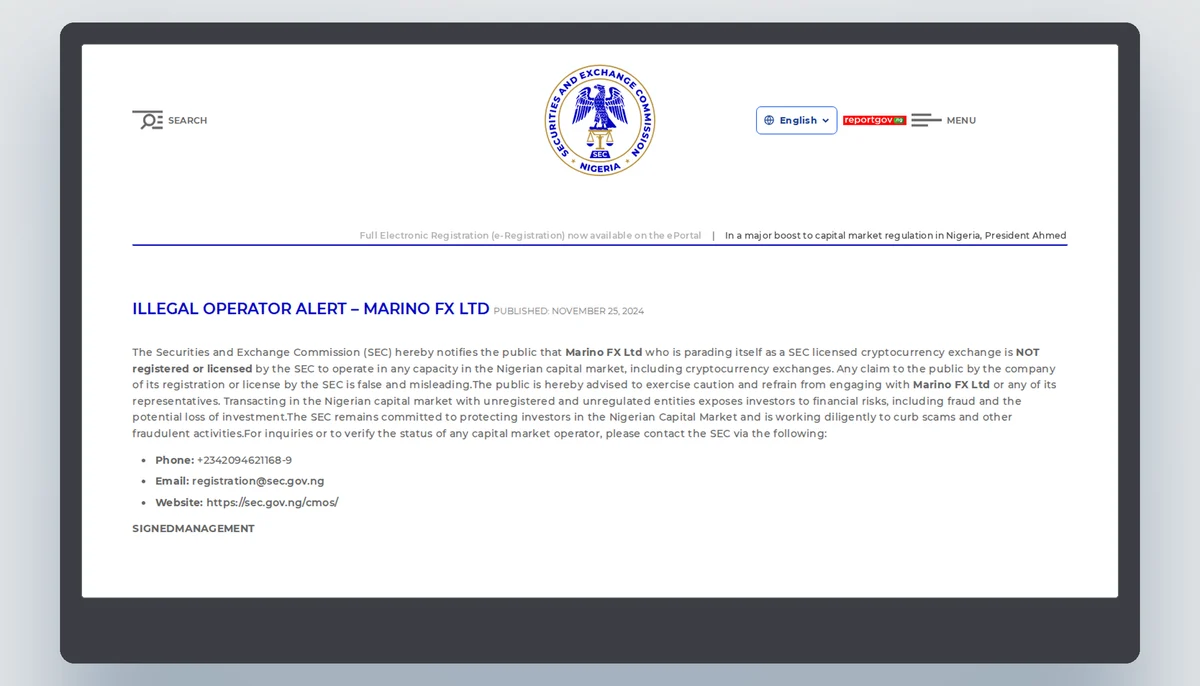
Testimonials, proof-of-payment screenshots, celebrity endorsements and big follower counts are not evidence. Images can be reused and edited. Checkable proof is a register entry, a regulator's page, or a bank statement of your own. This page explains the difference.
Testimonials are not evidence
A testimonial is a statement from a person claiming to have made money. The person may not exist. The testimonial may be paid for. The photo may be stolen. The story may be fabricated. A testimonial is easy to fake. It is not evidence of anything except that someone wrote a nice paragraph.
Even if a testimonial is real, it may be from an early participant who was paid from later deposits. That is not proof of a working business. It is proof that the scheme pays early participants. The testimonial does not tell you what happened to the later participants. The testimonial is marketing, not fact.
Proof-of-payment screenshots are not evidence
A screenshot of a bank alert or a wallet credit can be faked. The image can be edited to change the amount, the name, or the date. The screenshot can be taken from someone else's phone. The screenshot can be generated by a fake app. A screenshot is not a bank statement.
A real payment leaves a trace in your own bank statement. If you want proof of a payment, ask for the payer's bank statement, not a screenshot. If the payer refuses, the payment is not proven. The screenshot is the cheapest form of evidence, and the easiest to fake.
Celebrity endorsements are not evidence
A celebrity may be paid to promote a platform. The celebrity may not know anything about the platform's operations. The celebrity may have been misled. The endorsement is not a guarantee. The celebrity is not liable for your losses. The endorsement is advertising.
Some platforms use fake celebrity endorsements. They use a celebrity's photo without permission. They invent quotes. They edit videos. The celebrity may have nothing to do with the platform. A celebrity's face on an ad does not mean the celebrity invested or recommends it. The endorsement is a marketing tool.
Big follower counts are not evidence
A platform may have many followers on social media. The followers may be bought. The engagement may be fake. The comments may be from bots. A large following does not mean the platform is legitimate. It means the platform has spent money on marketing.
A platform can buy followers cheaply. The follower count is a vanity metric. It tells you nothing about the platform's operations, its registration, or its regulator. A platform with a million followers can be a scam. A platform with ten followers can be legitimate. The follower count is not a check.
How images are reused and edited
Images are reused across platforms. The same testimonial photo may appear on multiple sites with different names. The same proof-of-payment screenshot may be posted by different users. The image may be cropped, flipped, or recoloured to avoid detection. The image may be edited to change the amount or the name.
You can check an image by searching for it online. Reverse image search can show where else the image appears. If the same image appears on many unrelated sites, it is likely stolen or fake. The image may be a stock photo. The person in the testimonial may be a model. The screenshot may be a template.
What checkable proof looks like
Checkable proof is a register entry, a regulator's page, or a bank statement of your own. A register entry shows the legal name and registration number of a company. A regulator's page shows whether the company is authorised. A bank statement shows a real payment to or from your account.
Those are independent records. They are not controlled by the platform. They can be verified by a third party. The platform cannot edit them. The reader should ask for those records, not screenshots. If the platform cannot provide a register entry or a regulator's page, that is a warning. The reader's own bank statement is the ultimate proof of any payment.
A screenshot can be generated without any payment
The software that edits an image is not expensive and it runs on a phone. A person can take a real payment receipt, change the name of the sender and the amount, and then share it as proof that a withdrawal worked. The edited image will look the same as the original in a chat app because the app compresses the file and hides small inconsistencies.
When a platform wants to show that many people are withdrawing, it can produce hundreds of screenshots in a few hours without a single transfer. The images are then posted in groups or sent to new depositors as evidence that the system pays. No regulator or bank verifies these images before they circulate.
The only way to confirm that a payment was made is to see the entry in the receiving bank's own records, not in a forwarded image. A reader should ask for the transaction ID and check it with the bank that supposedly sent the money. If the sender refuses or says that the bank will not reveal the details, the screenshot carries no weight.
A testimonial with a face and a name can be bought or borrowed
A platform that wants to look busy can hire people to record short videos saying that they received a profit. The people in the videos may not know what the platform does beyond the script they were given. They are paid a small amount for each video, and the videos are then edited into a montage that looks like a crowd of satisfied users.
Some testimonials use real people whose identity is not connected to the platform. A person can be asked to read a statement in front of a camera and then the video is posted with a different name and location. The original speaker may never know that the video is used to promote a deposit scheme.
A reader who sees a testimonial should try to contact the person directly and ask a question that is not in the video. If the person cannot be reached, or if the platform says the person is too busy to talk, the testimonial is not evidence. It is an advertisement, and the platform controls which advertisements are shown.
A screenshot of a balance does not show a withdrawal route
A platform can display a large balance in a user's account on its own app or website. That balance is a number in a database that the platform controls. It does not prove that the money exists in a bank account or that the user can move the money out of the platform.
The important question is not what the balance says but what happens when the user tries to withdraw. A platform can show a balance of any size and then require a new deposit before allowing a withdrawal. It can also delay the withdrawal for weeks while asking for more documents that never satisfy the platform.
Before depositing, a reader should ask for a written description of the withdrawal process: how long it takes, what fees are deducted, and who holds the money during the process. If the platform will not provide this in writing, or if the description changes when a withdrawal is attempted, the balance is not a reliable indicator of what can be withdrawn.
A regulator's warning is a snapshot, not a moving picture
When the Securities and Exchange Commission of Nigeria publishes a warning, it describes a platform as the regulator knew it on that date. The platform may have changed its name, its website, or its payment methods since then. A warning from months ago may not match the platform that a reader is now being asked to deposit with.
A warning also does not mean that the platform has stopped operating. Many platforms continue to collect deposits after a warning because the warning is not an enforcement action. The regulator may not have the power to close the platform, or the platform may be operating from outside Nigeria where the regulator cannot reach it.
A reader should compare the details in the warning with the platform's current details: the exact legal name, the website address, and the payment method. If the platform now uses a different name or a different website, the warning may still apply, but the reader needs to verify that link before relying on the warning.
A written record is stronger when it comes from the platform's own channel
A promise made in a phone call or a voice note is hard to prove later. The platform can deny that the promise was made, or say that the person who made it was not authorized. A written message from the platform's official email or its chat account, however, is a record that can be shown to a bank or a regulator.
The record should include the specific claim: how much profit is promised, how quickly it will be paid, and what conditions apply. If the platform refuses to put a profit promise in writing, that refusal is itself a signal. A legitimate financial firm will state the risks and the fees in writing because it is required to do so.
A reader should keep the record outside the platform's control. A screenshot of a chat can be deleted by the platform if the chat is hosted on the platform's own system. Sending the chat to a separate email address or saving it to a device not connected to the platform preserves the record even if the platform closes the account.
The order of checks matters: verify the regulator before the deposit, not after
A reader who is about to deposit may be tempted to first send a small amount and then check the platform's registration later. That order is useful to the platform because the first deposit is often small enough that the reader will not pursue a loss. By the time the reader checks the regulator and finds a warning, the money is gone.
The correct order is to ask for the platform's registration details and then check those details against the regulator's public records before depositing. The regulator's website will show whether the platform is licensed to take deposits or to trade on behalf of clients. If the platform is not listed, or if the listed entity has a different name, the reader should stop.
A platform may say that the check is unnecessary because it is registered in another country. That claim does not help a reader in Nigeria. The Securities and Exchange Commission of Nigeria is the relevant regulator for platforms offering services to Nigerian residents. A foreign registration does not protect a Nigerian depositor if the platform fails.
A screenshot can show a payment without showing who controls the account
A proof-of-payment image captures a moment on one screen. It does not show who was logged into that screen, whose bank account received the funds, or whether the balance still exists when the image is viewed. A screenshot of a wallet balance is a picture of numbers on a phone, not a record of ownership.
The person sharing the screenshot may have been paid by the platform itself, or may be using a demo account that never held real money. Even a genuine payment to one person tells you nothing about the next person who deposits. The image is evidence that a screen displayed something; it is not evidence that a withdrawal system works.
Before treating a screenshot as proof, ask what it cannot show: the account name behind the display, the date the balance was last verified by an independent party, and the route the money took to arrive. A bank statement in the same name as the platform, not a cropped image, is the document that would need to exist.
Key facts
Read next
The last questions before paying
Can a testimonial be real?
It can be, but it is not evidence. A real testimonial from an early participant may be paid from later deposits. The testimonial does not prove the platform is safe or profitable.
How can I check if a screenshot is fake?
Reverse image search can show if the image appears elsewhere. Check for inconsistencies: the font, the alignment, the bank's logo. A real bank statement has a consistent format. A screenshot is easy to edit.
What if a celebrity endorses the platform?
Celebrities are paid for endorsements. The endorsement is advertising, not a guarantee. Some platforms use fake endorsements. The celebrity may not know anything about the platform.
Does a large following mean the platform is legitimate?
No. Followers can be bought. Engagement can be faked. A large following is a marketing metric, not a check. It tells you nothing about the platform's registration or regulator.
What is checkable proof?
A register entry, a regulator's page, or a bank statement of your own. Those are independent records that can be verified by a third party. They are not controlled by the platform.
Open a CFD account with FxPro
If you want to trade CFDs after doing your own checks, FxPro offers currencies, metals, indices, shares and crypto on several platforms. This site is not the broker and takes no money from you.